A menu of standards, refreshed one slice at a time
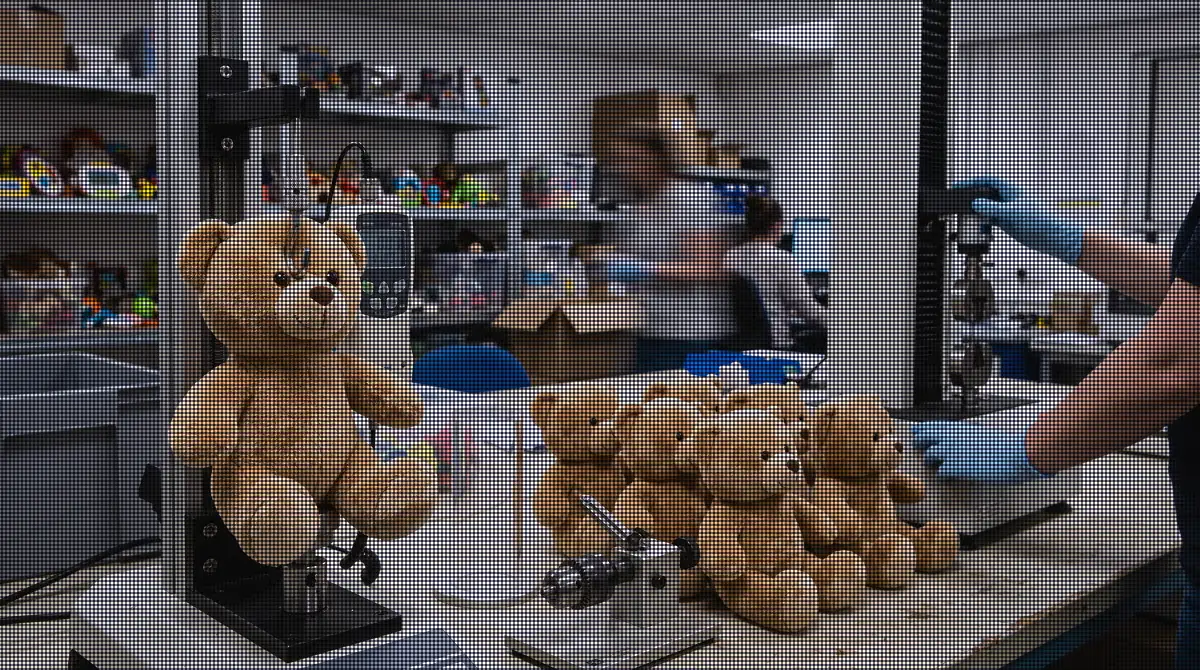
Cap. 424 works differently from a single national standard like China's GB 7916 or the EU's Toy Safety Directive. Schedule 1 lists the safety standards a toy can be tested against, and Schedule 2 does the same for defined classes of children's products. A manufacturer, importer or supplier only has to satisfy one of the listed standards for a given product, not all of them. That flexibility is also where the compliance risk sits: the government does not rewrite the whole menu at once. It amends the schedules annually, and each year's notice can touch a different subset of Schedule 2's classes, depending on which underlying international standards were revised that year. The Commerce and Economic Development Bureau's press release on the 2026 Notice and the government's April 2026 answer in the Legislative Council both describe the same mechanism: standards are kept up to date and operative, amended piece by piece, not standard by standard across the board every year.
Three nuances that separate signal from noise
01
Four categories this year, not the whole schedule
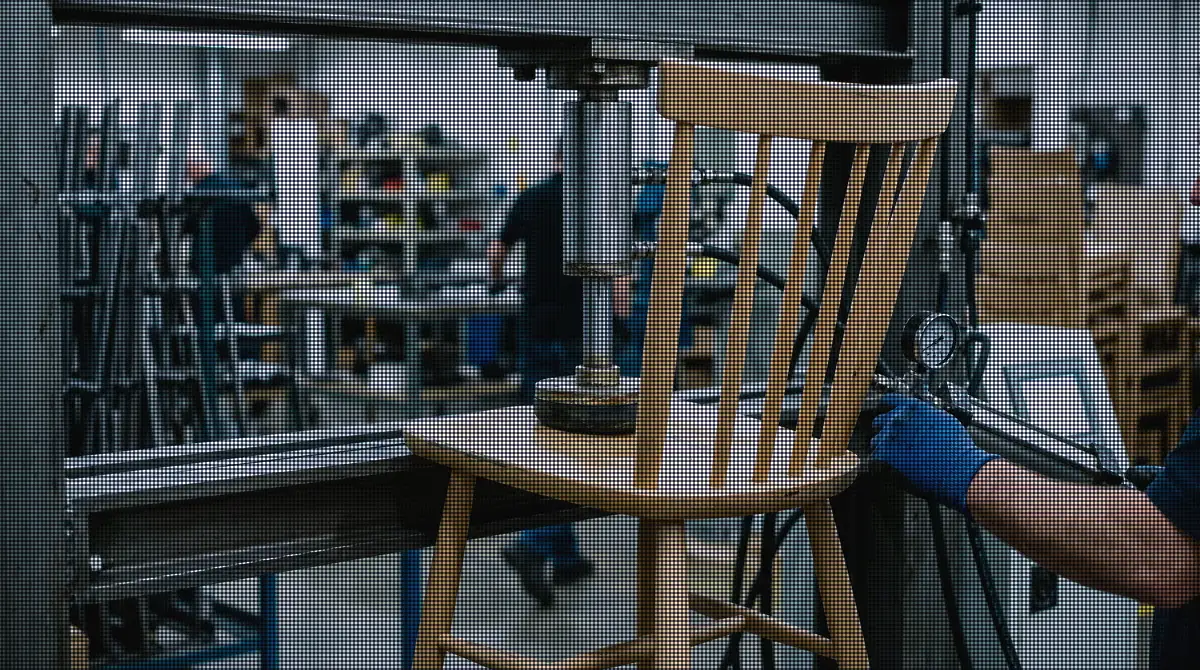
The 2026 Notice updates standards for toys (Schedule 1) and four Schedule 2 classes: children's high chairs and multipurpose high chairs, children's paints, playpens, and wheeled child conveyances. Dummies, baby walking frames, bottle teats, bunk beds and carry cots, all part of Schedule 2, are not touched by this amendment.
02
Last year's list barely overlaps with this year's
The 2025 Notice, gazetted 14 February 2025 and effective 1 August 2025, named seven Schedule 2 classes: dummies, baby walking frames, bottle teats, bunk beds, carry cots, children's paints, and wheeled child conveyances. Only children's paints and wheeled child conveyances appear on both years' lists.
03
Hong Kong is not mainland China for this purpose
Cap. 424 is a Hong Kong SAR ordinance, separate from mainland China's toy and cosmetics standards regime. A product cleared under mainland Chinese GB standards is not automatically compliant in Hong Kong, and vice versa, even though brands often collapse both markets into a single 'China' compliance file.
14 Feb 2025
The 2025 Notice is gazetted, covering toys and seven Schedule 2 classes.
1 Aug 2025
The 2025 Notice comes into operation.
13 Mar 2026
The 2026 Notice is gazetted, covering toys and four Schedule 2 classes: high chairs, paints, playpens and wheeled child conveyances.
1 Apr 2026
The government confirms in a Legislative Council answer (LCQ21) that schedule amendments happen annually, and that enforcement also tracks actions taken by Mainland or overseas authorities against specific products.
1 Aug 2026
The 2026 Notice comes into operation.
The numbers behind the refresh
One number is how many product classes this year's amendment actually touches. One is how many of last year's classes carried over. The third is the lead time brands had between the gazette notice and the date it started to bind the market.
4 classes
the number of Schedule 2 product classes the 2026 Notice updates standards for, alongside toys generally under Schedule 1
2 of 7
how many of the seven Schedule 2 classes named in the 2025 amendment, children's paints and wheeled child conveyances, are also named in the 2026 amendment
4.5 months
the gap between the Notice being gazetted on 13 March 2026 and it coming into operation on 1 August 2026
The real subject: a staggered clock, not a blanket update
A brand that reads "Hong Kong updated its toy and children's product safety standards" as a single compliance-calendar entry risks two mistakes in opposite directions. The first is under-reaction: assuming last year's clearance still holds for a high chair or a playpen sold into Hong Kong, when those two categories are precisely the ones the 2026 Notice newly touches, having sat outside the 2025 amendment altogether. The second is over-reaction: re-testing a bunk bed, a dummy or a bottle teat against the 2026 changes, when none of those classes appear in this year's amendment at all, since they were last refreshed in the 2025 cycle and were not due again in 2026. Getting this right means tracking, per product class, which cycle year last touched it and which recognised standard edition it is currently held against, not treating Hong Kong toy compliance as one line item that gets checked off whenever a new Notice is gazetted.
Why it matters for brands
For any toy, nursery or children's-product brand selling into Hong Kong, directly or through the territory's role as a re-export and testing hub for mainland China and the wider region, three things follow from 1 August. First, map the catalogue against Schedule 2's classes individually rather than as a single children's-products bucket: a high chair or multipurpose high chair and a playpen now need re-verification against the standards specified in the 2026 Notice, while a bunk bed or a dummy do not, at least not on this cycle. Second, do not assume a mainland Chinese GB-standard clearance, or an EU or US clearance, carries over automatically. Cap. 424's menu-of-standards approach recognises specific listed standards and their specific editions, and Hong Kong's own schedule amendments are the definitive record of which editions currently qualify. Third, build a per-category renewal calendar rather than a single annual check: the government's confirmation that it amends Schedules 1 and 2 every year, but not every class every year, means the categories untouched in 2026, dummies, baby walking frames, bottle teats, bunk beds and carry cots, are reasonable candidates for the next cycle, and brands holding structured, per-SKU, per-standard-edition records can flag that forward risk now instead of waiting for the next gazette notice to find out.
Two ways to read 1 August
The narrow read
Hong Kong's annual amendment to its toy and children's product safety standards, gazetted 13 March 2026, took effect on 1 August 2026.
The structural read
Hong Kong refreshes its recognised toy and children's product safety standards on an annual, category-by-category clock, not all at once: 2026's four named classes share only two names with 2025's seven, so the compliance question is which specific class was due this cycle, not whether Hong Kong updated its toy rules in general.
Frequently asked questions
What is the Toys and Children's Products Safety Ordinance (Amendment of Schedules 1 and 2) Notice 2026, and when does it take effect?
Which product categories does the 2026 amendment cover, and how is that different from the 2025 amendment?
What should brands selling toys or children's products into Hong Kong do given this staggered update cycle?
Sources
- Commerce and Economic Development Bureau, HKSAR Government: "Toys and Children's Products Safety Ordinance (Amendment of Schedules 1 and 2) Notice 2026 gazetted", 13 March 2026
- HKSAR Government Press Releases (GovHK): "Toys and Children's Products Safety Ordinance (Amendment of Schedules 1 and 2) Notice 2026 gazetted", 13 March 2026
- HKSAR Government Press Releases (GovHK): "LCQ21: Toys and children's products safety", 1 April 2026
- Commerce and Economic Development Bureau, HKSAR Government: "LCQ21: Toys and children's products safety", 1 April 2026
- Commerce and Economic Development Bureau, HKSAR Government: "Toys and Children's Products Safety Ordinance (Amendment of Schedules 1 and 2) Notice 2025 gazetted", 14 February 2025
- HKSAR Government Press Releases (GovHK): "Toys and Children's Products Safety Ordinance (Amendment of Schedules 1 and 2) Notice 2025 gazetted", 14 February 2025
- SGS: "Hong Kong Updates Standards for Toys and Children's Products"
- Bureau Veritas Consumer Products Services: "Hong Kong Toys and Children's Products Safety Ordinance Notice 2026"
- e-Legislation, HKSAR Government: "Cap. 424 Toys and Children's Products Safety Ordinance"