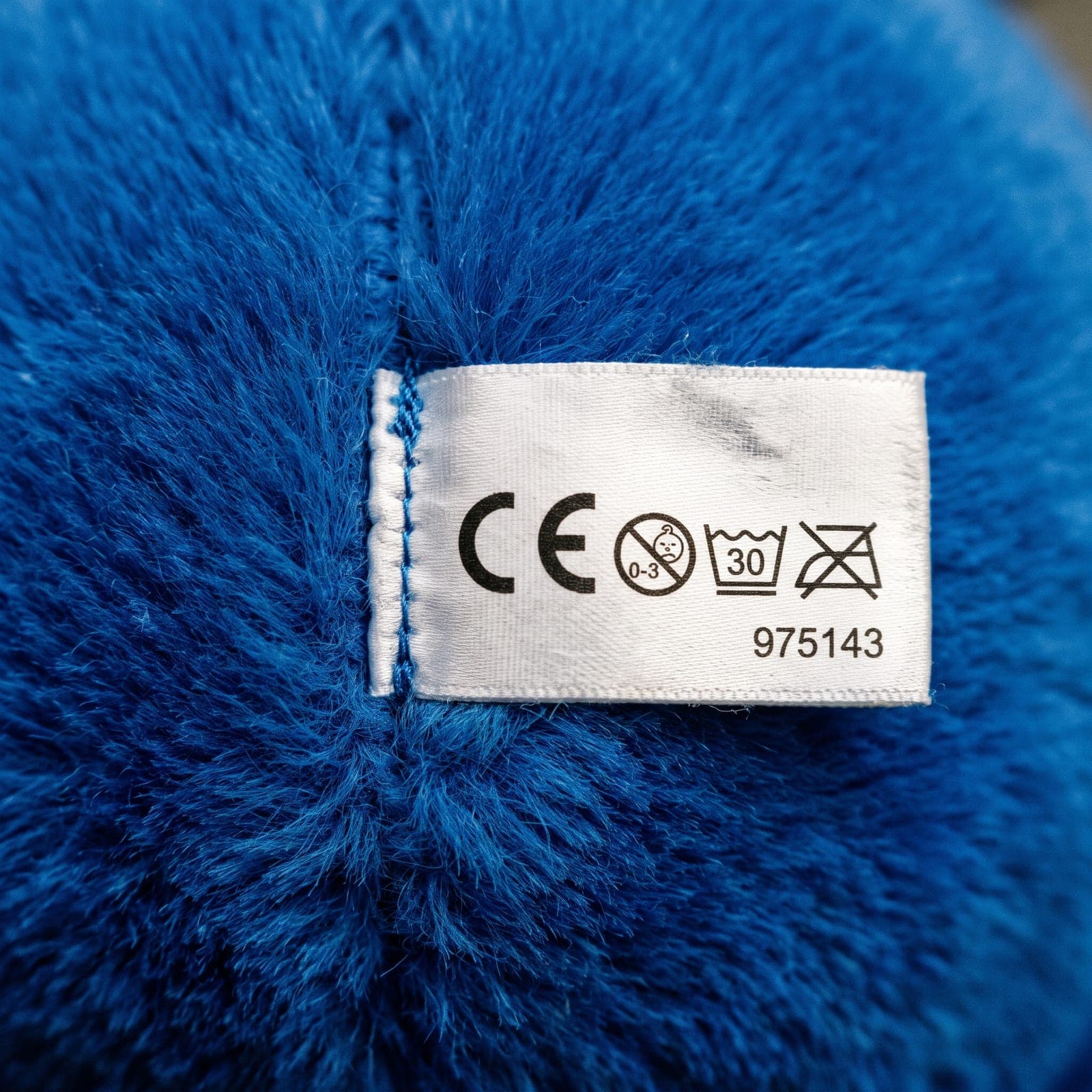
Bluetooth headphones: preparing compliance for sale in the EU
A Bluetooth headset sold in the European Union requires a finished-product assessment under RED, a RoHS review and an assessment of applicable WEEE obligations. Its file must connect the model being sold to test evidence, the EU declaration of conformity and accompanying information. A battery introduces additional obligations to examine separately.
The product and market in scope
A consumer Bluetooth headset sold in the EU. Define the radio configuration, power supply, software and accessories. This article is not an exhaustive assessment of battery or transport obligations.
Radio and finished-product safety
RED addresses safety, electromagnetic compatibility and radio-spectrum use. Radio-module evidence is useful, but its coverage must be checked against the final antenna, power supply, enclosure and software configuration.
Sources: European Commission · Radio Equipment Directive 2014/53/EU ↗
Substances and end of life
Review RoHS restrictions and any applicable exemptions for components and materials. Also address WEEE collection, information and registration duties according to the company’s role and destination countries.
Sources: European Commission · RoHS, Directive 2011/65/EU ↗ · European Commission · WEEE, Directive 2012/19/EU ↗
Technical documentation and EU declaration
The manufacturer must document the conformity assessment, draw up the EU declaration and prepare the required markings and instructions. Check that the reference, hardware and software covered by the evidence match the headset being sold.
Sources: European Commission · Radio Equipment Directive 2014/53/EU ↗
Documents to collect
- Model identity, photographs, schematics, bill of materials and radio/software versions.
- Safety, EMC and radio reports covering the configuration being sold.
- RoHS evidence, applicable-requirement assessment and signed EU declaration.
- Label, instructions, operator identification and WEEE-obligation records.
Which documents should you request from a supplier? ↗
Who assesses conformity?
The manufacturer owns the assessment and EU declaration. Notified-body involvement depends on the applicable RED procedure and use of harmonised standards. A laboratory supplies testing; its report does not replace the manufacturer’s assessment.
Developments to monitor
Track harmonised standards, connectivity-related cybersecurity requirements and the Cyber Resilience Act timetable. Record radio-module, firmware and power-supply changes, which may require the evidence to be reassessed.
A worked example
Fictional worked example.
A supplier provides the Bluetooth module’s test reports for a headset. Before using them in the file, compare the tested antenna, enclosure, power supply and software versions with the product being sold. A CE logo on the module does not complete this check.
How Cleo can help
A product compliance assessment scopes the requirements and evidence for your product. Product monitoring then tracks the changes that affect it.
Have my product assessed ↗ · Explore product monitoring ↗
Official sources
- European Commission · Radio Equipment Directive 2014/53/EU ↗
- European Commission · RoHS, Directive 2011/65/EU ↗
- European Commission · WEEE, Directive 2012/19/EU ↗
Sources consulted on 5 November 2026. Product configuration, your business role and destination countries determine the assessment needed.
Frequently asked questions
Which products does this article cover?
- A consumer Bluetooth headset sold in the EU. Define the radio configuration, power supply, software and accessories. This article is not an exhaustive assessment of battery or transport obligations.
Who is involved in the conformity assessment?
- The manufacturer owns the assessment and EU declaration. Notified-body involvement depends on the applicable RED procedure and use of harmonised standards. A laboratory supplies testing; its report does not replace the manufacturer’s assessment.
Related resources

CE marking in 2026: from physical goods to digital products
CE marking is the European passport for products. Roughly 25 harmonisation directives and regulations cover machinery, electrical equipment, radio devices, toys, medical devices, PPE, construction products and more, and from December 2027, software and connected devices join the list under the Cyber Resilience Act. Here is what 2026 actually requires across both worlds.read ↗