
A hard EU-wide date, a text silent on stock already made
Directive (EU) 2024/825, known informally as the EmpCo or Green Transition Directive, amends two existing consumer-protection texts: the Unfair Commercial Practices Directive (2005/29/EC) and the Consumer Rights Directive (2011/83/EU). On the practices side, it adds roughly a dozen new items to Annex I's blacklist: false durability claims, presenting a non-repairable good as repairable, inducing consumers to replace a component or consumable earlier than genuinely necessary, withholding information about a feature (a software update, for instance) that will limit a product's durability, and presenting a requirement the law already imposes on every product in the category as a distinctive feature of the trader's own offer. On the labeling side, it adds new pre-contractual duties about the EU's standard two-year legal guarantee, and requires a harmonised 'EU GARAN' label whenever a producer offers a commercial durability guarantee exceeding two years, covering the whole product, at no extra cost. The Commission fixed the binding design of both that label and the accompanying legal-guarantee notice in a separate Implementing Regulation, (EU) 2025/1960, adopted on 25 September 2025, which applies from the same date as the directive. Nowhere in either text is there a carve-out for a garment, a bottle or a packaging run already printed with a now-banned claim before 27 September 2026.
Three details behind the 27 September deadline
01
A generic claim is banned outright, not just when unproven
Annex I is a per se blacklist: once a practice is on it, a regulator does not have to prove consumer harm case by case. 'Eco-friendly' without a substantiated claim of recognised excellent environmental performance is automatically unfair from 27 September, everywhere in the EU.
02
A guarantee over two years now needs a fixed-format label
Commission Implementing Regulation (EU) 2025/1960 sets the exact design of the EU GARAN label and the legal-guarantee notice. A brand cannot design its own version: the format is binding from the same 27 September date.
03
The application date does not wait for national transposition
Only 7 of 27 member states met the 27 March 2026 transposition deadline. The Commission opened infringement proceedings against the other 20 on 28 May 2026. The directive still applies EU-wide on 27 September regardless of where each country's own law stands.
28 Feb 2024
The European Parliament and Council adopt Directive (EU) 2024/825, amending the Unfair Commercial Practices Directive and the Consumer Rights Directive.
26 Mar 2024
The directive enters into force, twenty days after its publication in the Official Journal.
25 Sep 2025
The Commission adopts Implementing Regulation (EU) 2025/1960, fixing the binding design of the legal-guarantee notice and the EU GARAN durability label.
27 Mar 2026
Deadline for member states to transpose the directive into national law. Only 7 of 27 meet it.
28 May 2026
The European Commission opens infringement proceedings against the other 20 member states for failing to notify complete transposition.
Jun 2026
The EU's Consumer Protection Cooperation Network publishes a non-binding Common Understanding on how to treat 'old stock' made before the directive applies.
27 Sep 2026
The directive and Implementing Regulation (EU) 2025/1960 both apply across the EU.
The numbers behind 27 September
One number is how much of the transposition timetable member states have missed. One is how little time remains from today. The third is the minimum penalty floor EU law already sets for the kind of infringement a mislabeled claim can become once it crosses borders.
20
of the 27 EU member states now under European Commission infringement proceedings for failing to notify full transposition of the directive by the 27 March 2026 deadline
21
days between the publication date of this article and 27 September 2026, when the new Annex I bans and the EU GARAN label both become enforceable EU-wide
4%
of a trader's annual turnover, the minimum fine floor EU consumer-protection law already requires member states to set for a widespread cross-border infringement, or at least EUR 2 million where turnover cannot be determined
The real subject: a legal cutover with no grace period for physical inventory
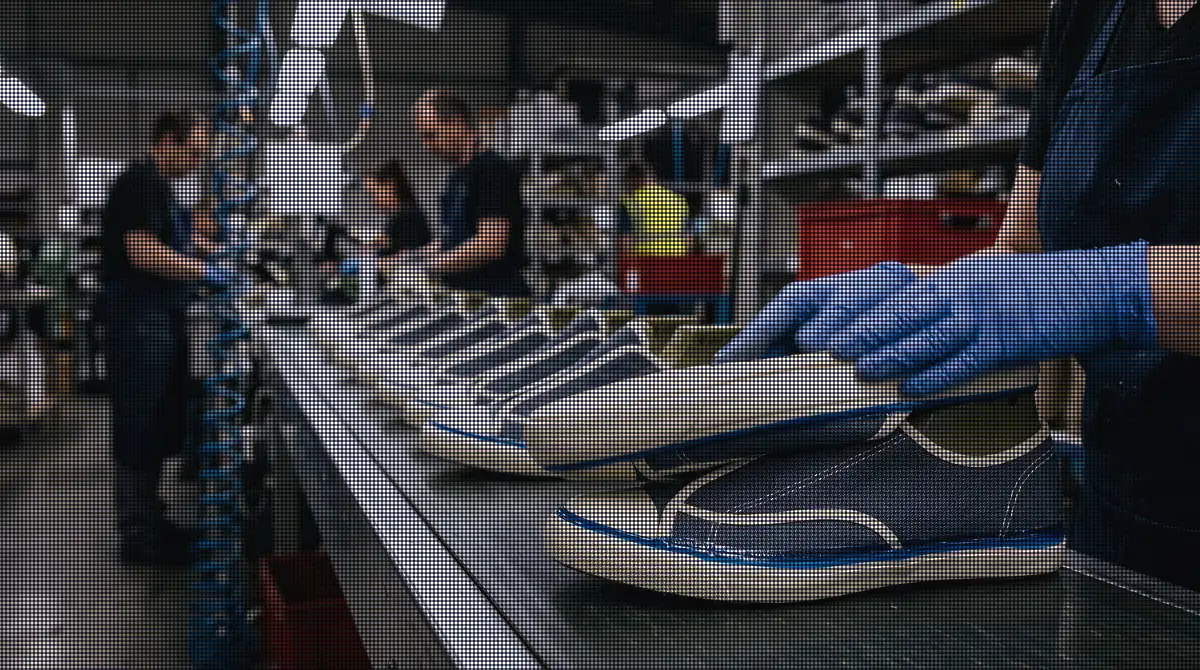
Most coverage of the directive reads it as an advertising and marketing question: which words a brand can still put on a webpage or in a social post after 27 September. That framing misses where the harder problem actually sits, which is physical, not verbal. A hangtag, a printed carton, a screen-printed claim on a garment or a bottle cap embossed with a sustainability logo cannot be edited the way a webpage can. Neither the directive nor Implementing Regulation (EU) 2025/1960 says what happens to a run of packaging manufactured, printed or already sitting on a retailer's shelf before the cutover date carrying a claim or a label that becomes banned the next day. That gap is real enough that the EU's own Consumer Protection Cooperation Network, the body that coordinates national enforcement authorities, felt the need to address it directly: in June 2026 it published a Common Understanding on 'old stock situations,' explicitly acknowledging that traders 'face genuine and specific transitional difficulties' and proposing pragmatic fixes, corrective stickers or point-of-sale notices, rather than requiring destruction of pre-existing stock. But the document is explicitly non-binding: it sets out principles for national authorities to consider, not a rule a brand can invoke as a defense. At least one country, Austria, has gone further and written an actual statutory transitional provision for old stock into its own transposition law. Most have not. The result is that the same box of unsold garments, carrying the same now-banned hangtag, can face a materially different legal reality in Vienna than in a member state that transposed the directive on time with no transition clause at all, or in one of the 20 still working through an open infringement file.
Why it matters for brands
The direct exposure sits with any brand selling physical goods into the EU that carries an environmental claim, a sustainability logo, or an extended durability guarantee on packaging, a hangtag, a product page or a point-of-sale display, apparel, footwear, cosmetics, homeware and electronics among the most exposed categories. Because Annex I's new items are a per se blacklist, the practical compliance question for 27 September is not whether a marketing team believes a claim is defensible; it is whether every claim printed on every physical SKU already sold or scheduled to ship into the EU has a documented, claim-specific substantiation file behind it, a company-wide assurance is not enough once the standard is per-product and per-claim. Because the directive's own text is silent on stock made before the cutover, and the one document that addresses it is non-binding guidance rather than law, a brand cannot assume the same fix, a corrective sticker at point of sale, a supplementary on-pack notice, will be treated the same way in every market it sells into: what is accepted as pragmatic enforcement in one member state may be a fresh infringement in another that transposed the directive without a transition clause, or in one still absent a finished national law altogether. A compliance team sourcing into the EU has three concrete tasks before 27 September: audit every environmental claim and sustainability label already printed on inventory bound for or sitting in EU warehouses; confirm, market by market, whether a national transitional provision for old stock exists or whether the June 2026 Common Understanding is the only cover available; and, for any guarantee running past two years, switch to the binding EU GARAN format set by Implementing Regulation (EU) 2025/1960 rather than a bespoke label design.
Two ways to read 27 September
The narrow read
The EU is banning vague green marketing terms and uncertified sustainability labels, and standardising the label for extended product guarantees, starting 27 September 2026.
The structural read
The application date is fixed regardless of how much of the transposition work member states have actually finished, the law itself never addresses claims already printed on physical stock, and the one fix for that gap is a non-binding understanding that at least one country turned into statute and most have not: the same hangtag can be lawful in one EU market and an infringement in the next.
Frequently asked questions
What exactly becomes illegal in the EU from 27 September 2026?
What happens to products and packaging made before 27 September that carry a now-banned claim?
Does it matter that 20 of 27 EU member states missed the transposition deadline?
Sources
- EUR-Lex: Directive (EU) 2024/825 of the European Parliament and of the Council of 28 February 2024 amending Directives 2005/29/EC and 2011/83/EU as regards empowering consumers for the green transition (adoption date, entry into force, 27 March 2026 transposition deadline, 27 September 2026 application date, Annex I amendments)
- EUR-Lex: Commission Implementing Regulation (EU) 2025/1960 of 25 September 2025 laying down the design and content of the harmonised notice on the legal guarantee of conformity and of the harmonised label for the commercial guarantee of durability (EU GARAN label, application from 27 September 2026)
- European Commission (Directorate-General for Justice and Consumers), Consumer Protection Cooperation Network: 'Common understanding on old stock situations,' June 2026 (non-binding guidance on pre-cutover stock, corrective sticker and point-of-sale notice approach)
- European Commission, Directorate-General for Justice and Consumers: 'Practical guidelines, Harmonised Label & Notice for product guarantees,' April 2026
- Packaging Europe: "EU Commission takes action against 20 Member States over green claims laws" (28 May 2026 infringement proceedings, list of 20 member states, only 7 of 27 met the transposition deadline)
- ESG News: "EU Warns 20 Member States Over Failure To Adopt Anti-Greenwashing Rules" (cross-check of the 28 May 2026 infringement package)
- Schoenherr: "New rules for green advertising as of September 2026: Austria adopts transitional provision for 'old stock' situations" (Austria's statutory old-stock transition clause)
- CMS Law: "New regulation paves way for GDPR-size fines for consumer law breaches" (4% of annual turnover / EUR 2 million minimum fine floor for widespread EU consumer-law infringements)
Note on verification: this session's network access allows search but blocks direct retrieval of eur-lex.europa.eu pages. The directive number, dates and Annex I provisions were confirmed through search-indexed excerpts of the EUR-Lex text itself and the Implementing Regulation, cross-checked against the European Commission's own published Common Understanding and practical-guidelines documents, and against two independent news outlets (Packaging Europe, ESG News) reporting the identical 28 May 2026 infringement list. The Austria transitional-provision detail and the 4 percent turnover fine floor were each confirmed against one specialist legal-tracker source (Schoenherr; CMS Law) consistent with the wider reporting on the directive.